.svg)


Candles have somehow become controversial. They’re meant to be simple — light a wick, soften a room, slow things down — yet they’re surrounded by warnings, fear, and confidently repeated claims that make people hesitate before striking a match. You’ve probably heard at least one of them:
- That scented candles are toxic.
- That, depending on your wax, inhalation could be dangerous.
- The soot that comes from the flame is filling the room.
Most of these ideas are worth looking into, so let’s clear up some myths with facts .
Why candle myths refuse to die
Candles sit at a strange crossroads. They seem simple, as they clearly include some graspable ambiguities like chemistry, smells, and fire. The simplistic nature of these words makes for a perfect storm of conspiracy and misinformation. If one ingredient on a label is too long, many automatically write it off as bad, despite some complex chemicals being far healthier, or at least more neutral, than organic chemicals that seem familiar, like plant extracts, which may actually be poisonous. All it takes is one dramatic post for our brains to be thrown into territory we’d never expect to get to, and really have no need for. Luckily, once we barrel down into the scientific truth, everything gets far easier.
The real issue: fear-based wellness thinking
A lot of modern wellness culture runs on fear. Online wellness culture is ripe for misinformation. Something as broad as a candle can be thrown into a bad category, despite there being so many different types of candles. Candles are a good example because they often set off our triggers since we can smell them, and they burn. These two qualities are an anxiety attack’s dream. But fear not. The truth will out! And, in this case, the truth is far more comforting than the lie.
Myth #1: “Scented candles are unsafe”
When you’re making a scented candle the right way , it’s not an experiment; it’s a tried and true safe process. We’ll show you how to make them so they burn clean and predictably. It’s not about whether the candle is scented or not; it’s about the construction of the candle. What matters specifically is:
- Is the wax high-quality?
- Is the wick size right for the size of the candle?
- Are the fragrance oils chosen specifically made for candle burning?
- Stop generalizing; get into the thick of things, and you’ll find comfort!
Myth #2: “Candle soot is toxic”
Soot is a perfectly normal and organic byproduct of anything that burns. If a lot of soot is appearing from your candle, it’s often because of very fixable issues, including:
- The wick is too wide or long for the candle
- It’s put near a window or somewhere a strong draft can disrupt the candle’s ideal burning process.
- Burning the candle for endless hours without giving it a break to cool down.
Some solutions include trimming your wick a quarter inch or so, burning the candle in a draft-free spot, and only lighting it when it’s in direct use.
Myth #3: “Some waxes are dangerous”
No commonly used candle wax is inherently unsafe. Paraffin, soy, beeswax, coconut blends — they all burn cleanly when formulated and wicked properly. Each wax has different strengths, whether that’s scent throw, burn time, or texture. Choosing wax isn’t a moral decision. It’s a performance choice. At Wick & Pour , wax is treated as a creative variable, not something to fear.
Myth #4: “Candle wicks contain lead”
This is a completely outdated myth. Even the most questionable candle makers don’t put lead in their wicks. It’s good to check with any company, but it’s quite safe to assume that if you’re getting your candles from any average retailer, it’s not going to have lead in it. However, if you want to be 100% sure, making it yourself is the best option!
What actually matters when burning a candle
Instead of worrying about myths, focus on the basics that actually affect your experience:
- Burn length
- Wick maintenance
- Draft-free placement
- Quality materials
These small habits determine how evenly a candle burns, how cleanly it performs, and how long it lasts. They’re simple, practical, and easy to learn. They’re also exactly the things people absorb naturally when they make a candle themselves.
Why making your own candles with the experts at Wick and Pour will change your perspective

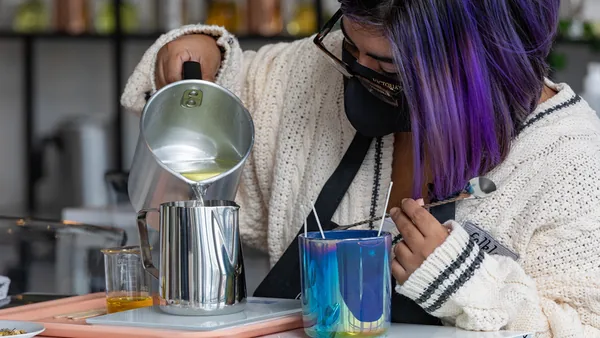
Once you’ve gone through the process of assessing your oils, melting the wax yourself, and setting your wick, candles are going to be far less mysterious. As we break them down into their bare parts, we see they are not intimidating or poisonous, or any of the other guff perpetuated about these incredible objects. When knowledge and truth come to light, fear takes its rightful back seat. Your house doesn’t ned a toxic, maladaptive object. So get rid of your old candle, and make a candle with us at Wick and Pour ! No more store-bought unknowns, just organic processes that are sure to deliver peace and soothing comfort.